Texas is home to over 20 species or types of sparrow, and they are common all over the United States. You have probably seen many different types of sparrow, but you may not realize they are different species of birds because they all look quite similar, especially the females.
There are over 150 different species or types of dragonfly in Texas. Dragonflies are in the insect order, Odonata, which comes from a Greek word meaning tooth. Dragonflies are insects, which means they have six legs, and their body is split into three parts, the head, thorax and abdomen. They have a pair of compound eyes and a mouth with sharp teeth on their head. Their legs and four wings connect to the thorax and the long abdomen contains most of their organs. Dragonflies have a large pair of compound eyes, which take up most of their head. The compound eyes are made up of thousands of individual eyes called ommatidia.
Texas is home to one species of otter called the North American River Otter. They are found in Eastern Texas and much of the Eastern United States and throughout Canada. Otters are mammals related to and in the same scientific family as badgers, ferrets and weasels.
Texas is a large state with many different ecosystems, which allows for great diversity in plant and animal life. This also means that Texas is home to many living things that are threatened or endangered. If a living thing is given the status of threatened or endangered, it means that it is in danger of becoming extinct. A threatened species is likely to become endangered at some point in the future if efforts are not made to improve its living conditions. If a species is extinct, it means that there are no longer any living members of that species on earth. One example of an extinct animal in the wild is the Spix’s Macaw, which is the bird from the movie Rio. In Texas there are over 100 plants and animals that are listed as federally endangered or threatened which means that they are at risk of becoming extinct everywhere. There are another 100 species that are not federally listed, but are state listed as threatened or endangered, which means that they are at risk of extinction within Texas, but may have healthy populations in other parts of the world. Plants and animals are added to one of these lists under a law called the Endangered Species Act. This law was created to help and conserve living things that are in danger of becoming extinct.
 Texas is home to over 20 species or types of sparrow, and they are common all over the United States. You have probably seen many different types of sparrow, but you may not realize they are different species of birds because they all look quite similar, especially the females.
 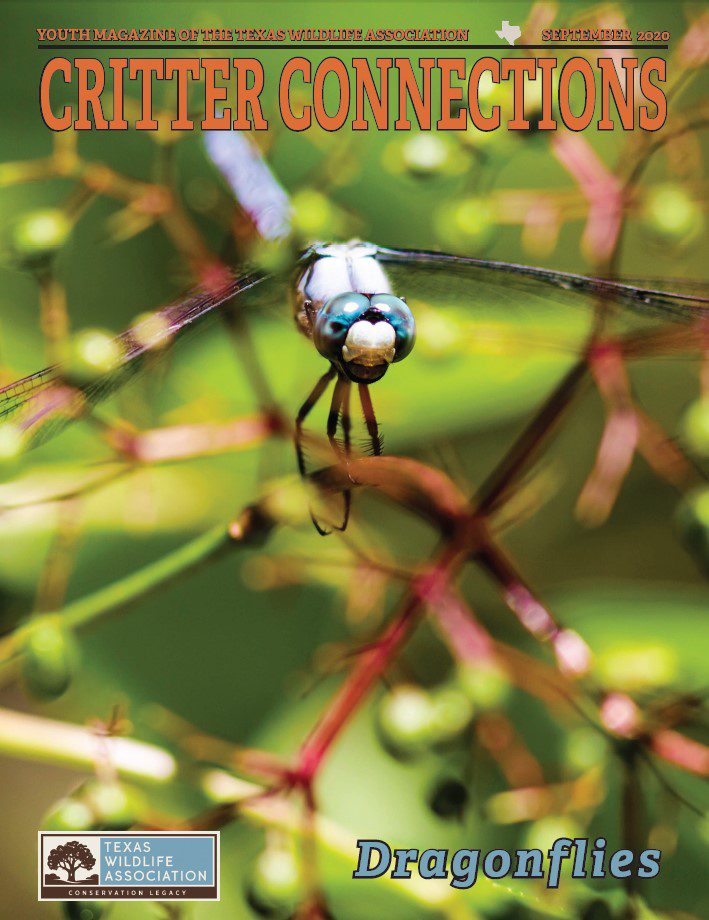 There are over 150 different species or types of dragonfly in Texas. Dragonflies are in the insect order, Odonata, which comes from a Greek word meaning tooth. Dragonflies are insects, which means they have six legs, and their body is split into three parts, the head, thorax and abdomen. They have a pair of compound eyes and a mouth with sharp teeth on their head. Their legs and four wings connect to the thorax and the long abdomen contains most of their organs. Dragonflies have a large pair of compound eyes, which take up most of their head. The compound eyes are made up of thousands of individual eyes called ommatidia.
 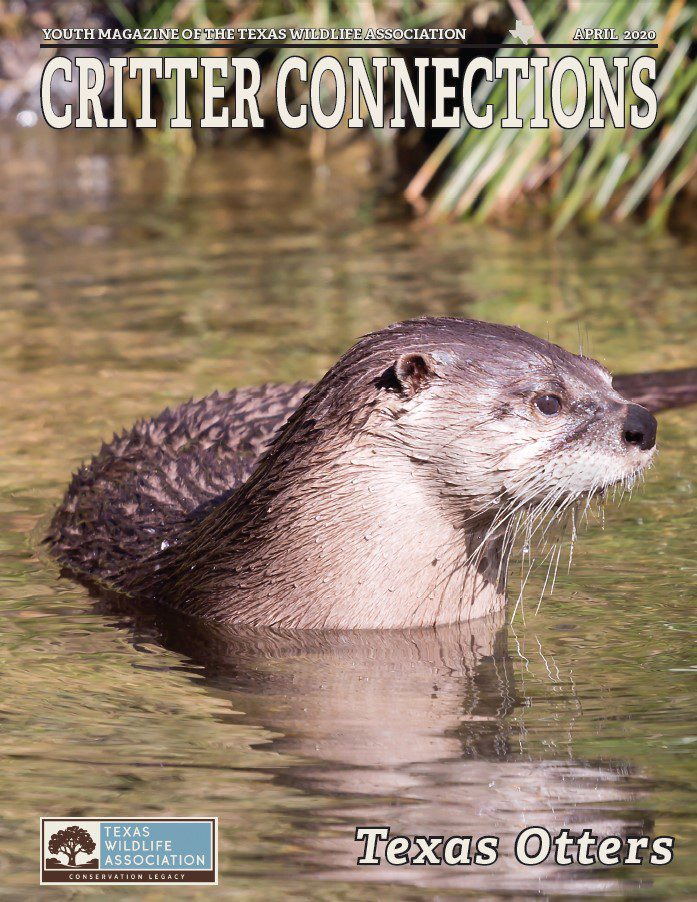 Texas is home to one species of otter called the North American River Otter. They are found in Eastern Texas and much of the Eastern United States and throughout Canada. Otters are mammals related to and in the same scientific family as badgers, ferrets and weasels.
 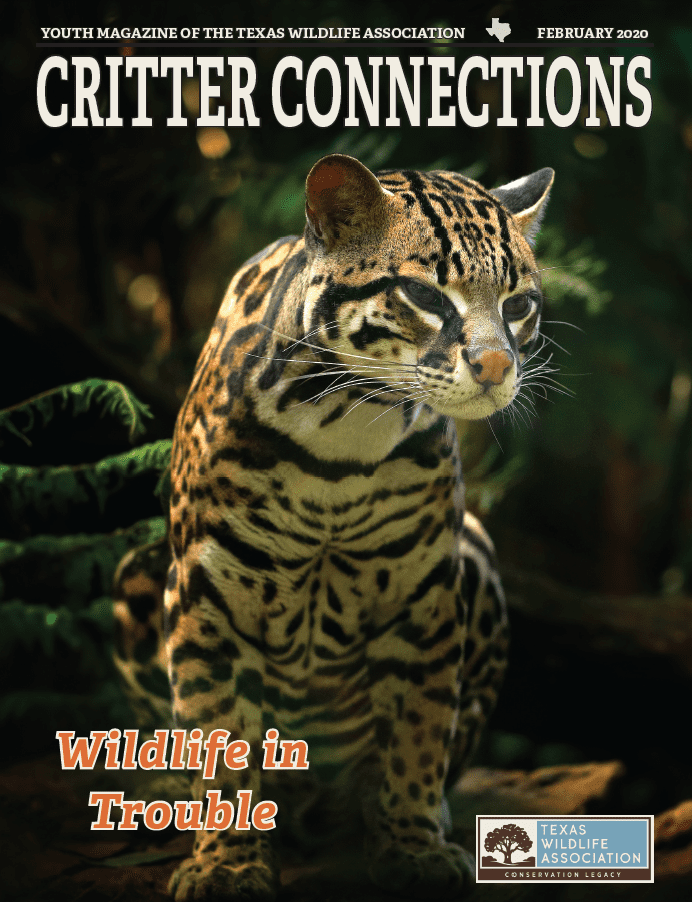 Texas is a large state with many different ecosystems, which allows for great diversity in plant and animal life. This also means that Texas is home to many living things that are threatened or endangered. If a living thing is given the status of threatened or endangered, it means that it is in danger of becoming extinct. A threatened species is likely to become endangered at some point in the future if efforts are not made to improve its living conditions. If a species is extinct, it means that there are no longer any living members of that species on earth. One example of an extinct animal in the wild is the Spix’s Macaw, which is the bird from the movie Rio. In Texas there are over 100 plants and animals that are listed as federally endangered or threatened which means that they are at risk of becoming extinct everywhere. There are another 100 species that are not federally listed, but are state listed as threatened or endangered, which means that they are at risk of extinction within Texas, but may have healthy populations in other parts of the world. Plants and animals are added to one of these lists under a law called the Endangered Species Act. This law was created to help and conserve living things that are in danger of becoming extinct.